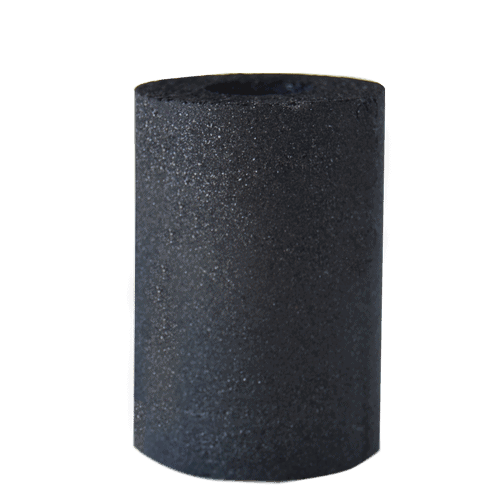
What is activated carbon?
Activated carbon is a form of carbon that has been processed to have an incredibly large surface area. This large surface area provides an ideal environment for trapping impurities, making it an effective filter for many applications. Activated carbon works through the adsorption process, which chemically binds impurities to the surface of the carbon rather than absorbing them like a sponge. This process makes activated carbon an effective water filter because it can remove organic compounds that make water taste or smell unpleasant.
Which contaminants does activated carbon filter out?
Activated carbon is a highly effective filter for removing contaminants from water. It is particularly effective at removing organic compounds, chlorine, and other chemicals. Carbon filters are also excellent for purifying air and gas. The effectiveness of activated carbon is based on its very large surface area, which enables it to filter out contaminants efficiently. Chlorine in particular is removed through a chemical reaction between the carbon and the chlorine molecules. Carbon filtration can also help reduce sediment, unpleasant taste, and odor.
How does activated carbon filtration work?
Activated carbon filtration is an effective method for removing impurities from water and air. It works through a process called adsorption, in which particles are attracted to the surface of the activated carbon and retained there. The large surface area of activated carbon gives it a high capacity for adsorbing organic compounds, making it ideal for capturing and removing contaminants from water and air.
What are the benefits of activated carbon filtration?
Activated carbon filtration is a reliable and cost-effective method for removing contaminants from water. In addition to being able to filter out a wide range of impurities, it offers several other benefits. Activated carbon filters have a very large surface area due to their porous structure, allowing them to adsorb contaminants more effectively than other filter types. In addition, they remove odors and tastes from the water very effectively, making it more pleasant to drink. They also require less maintenance than other filter types, making them an ideal choice for many households.
The activated carbon filtration process
Activated carbon filtration is a commonly used technology based on the adsorption of impurities on the surface of a filter. This method efficiently removes organic compounds and harmful chemicals from the water, making it safe and pleasant to drink. But how does this process work? The activated carbon filtration process begins with placing the filter in an air purifier or water filter. Water containing organic particles and harmful chemicals is retained by the activated carbon filter, which then undergoes the adsorption process. Adsorption is when impurities are attracted to the surface of the activated carbon and held there, freeing the water of organic compounds that make it taste or smell unpleasant. This process is efficient and highly effective at removing impurities from water.
Where are activated carbon filters used?
Activated carbon filters are also commonly used for air and gas purification. When contaminated air or contaminated water flows through the activated carbon, it absorbs pollutants and impurities, so the resulting air or water is clean and free of harmful chemicals. Activated carbon filtration is also used in industrial applications such as wastewater treatment and chemical manufacturing to remove pollutants and chemicals from air and water. In addition, activated carbon filters can be used in aquariums to keep the water clean and safe for fish.
How do you properly maintain an activated carbon filter?
Replacing activated carbon filters is important to maintain their effectiveness. Depending on the filter type, activated carbon filters must be replaced every 6 months. It is important to read the manufacturer’s instructions and follow their guidelines for proper maintenance and filter replacement. By maintaining your filter properly, you ensure that it continues to keep your water clean and free of impurities.